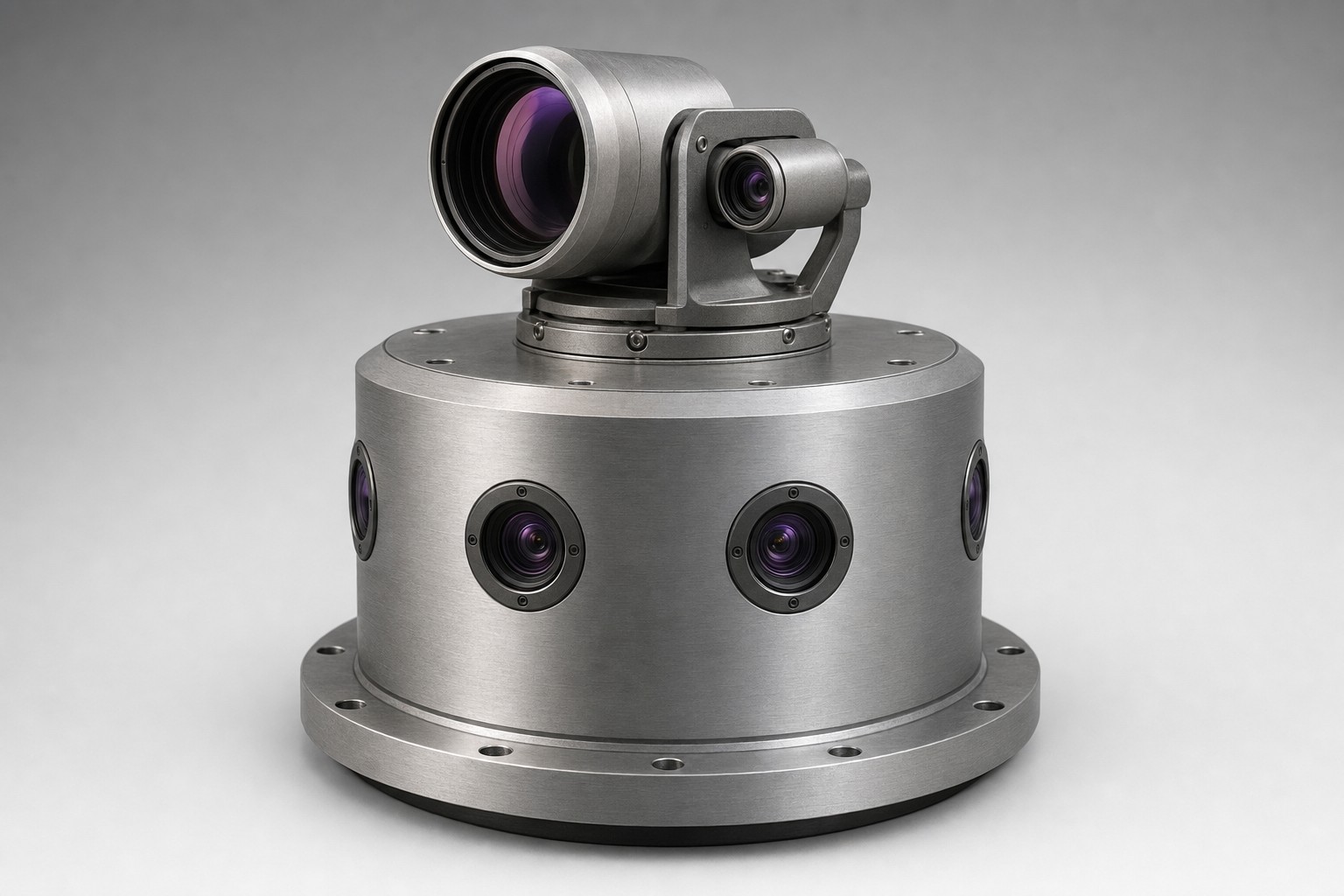
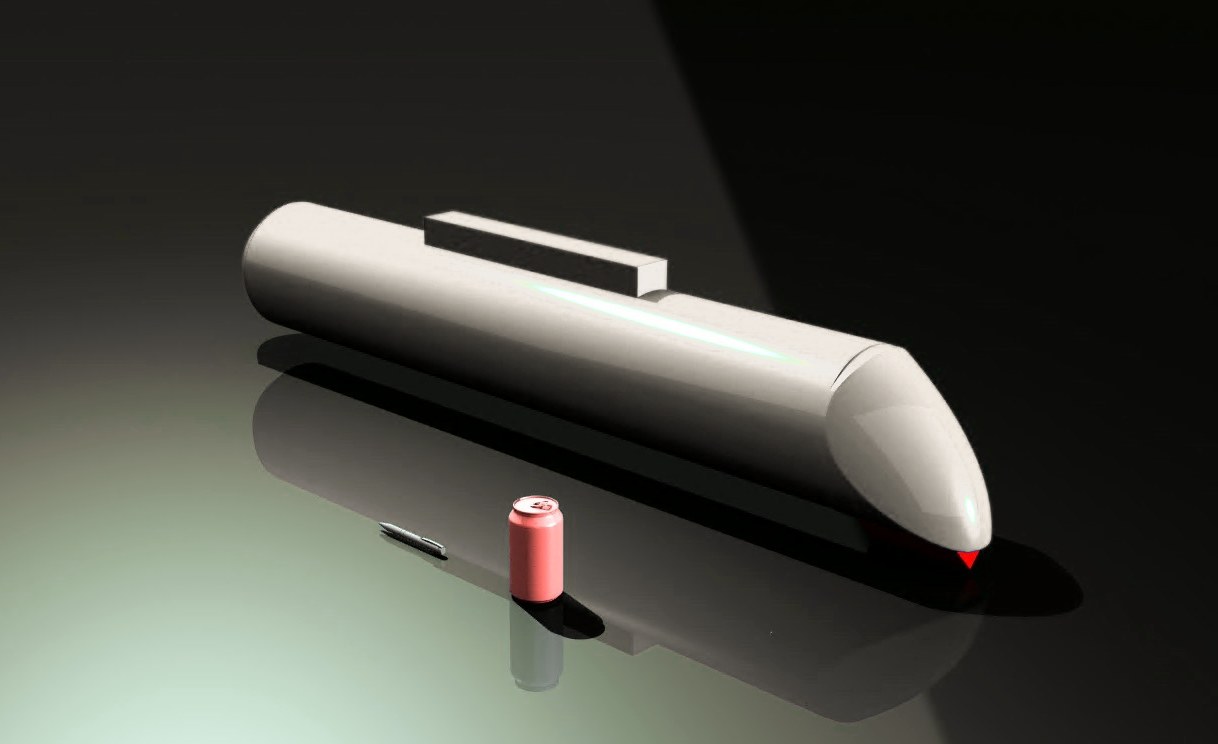
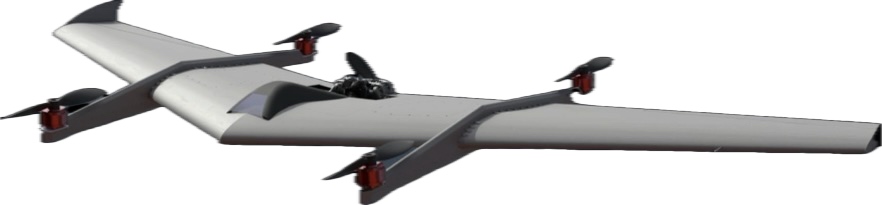
BA 140 — Tactical Signals / IMEI Signals Intercept and Location
An airborne wideband Software Defined Radio that detects, demodulates, and geo-locates RF emissions from 100 MHz to 6 GHz — Wi-Fi, cellular, walkie-talkie, and dedicated radio. Triangulated bearings on a moving map; optional jamming over the full band.
- Borealis code
- BA 140 — Tactical Signals / IMEI Signals Intercept and Location
- Family
- Airborne Sensor
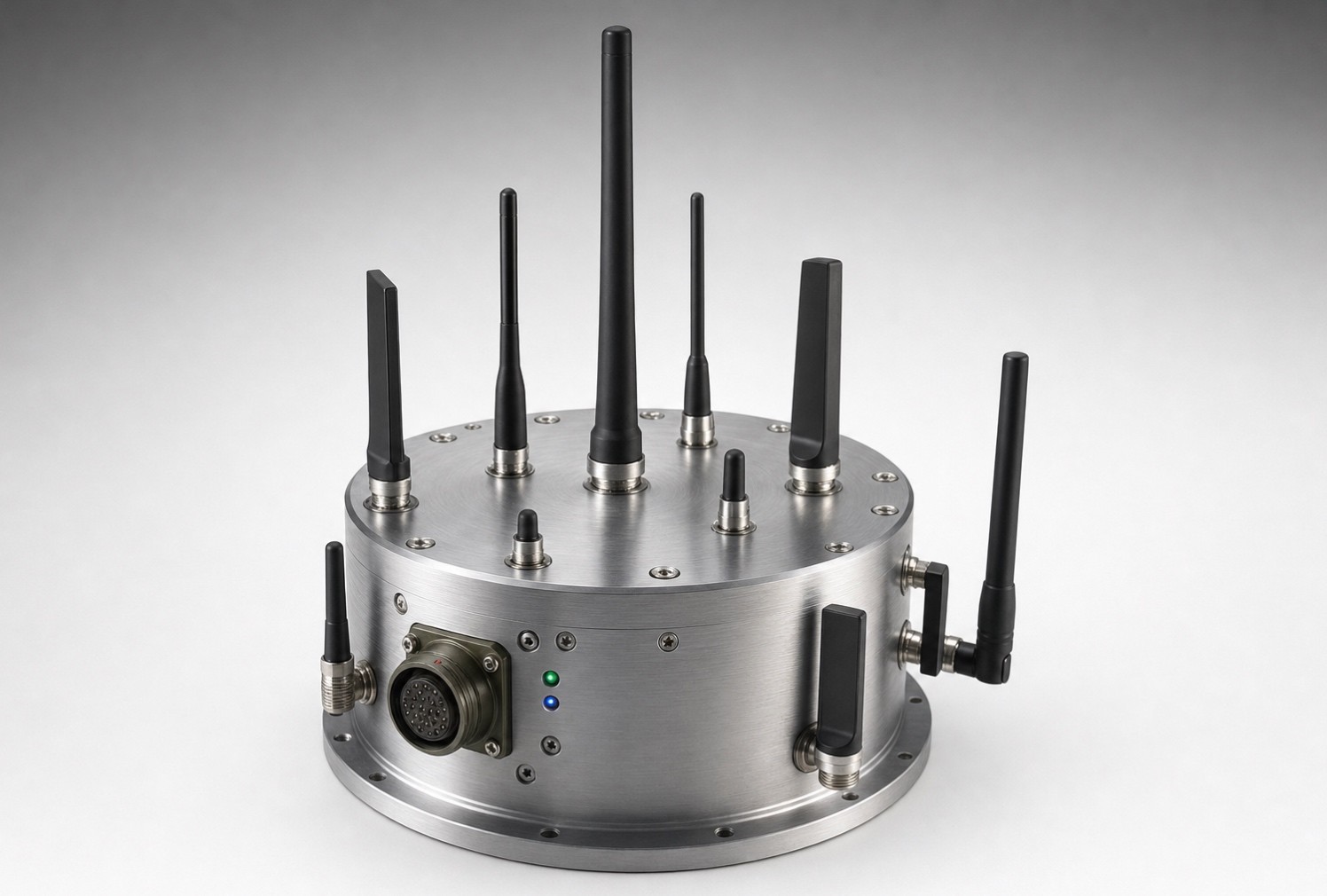
- Wideband SDR transceiver
- 100 MHz – 6 GHz, half-duplex transmit / receive
- RDF antenna unit
- 30 MHz – 1,170 MHz, five-channel SDR direction-finding
- Bearing accuracy
- 1° RMS (pseudo-Doppler principle)
- Sampling
- 8-bit quadrature, 20 MSPS
- Geo-location
- Triangulation from multiple bearings, displayed on moving map
- Special tracking
- 121.5 MHz, 243 MHz, COSPAS-SARSAT (406 MHz), ADS-B, AIS, GPS
- TX power
- 1 – 25 W minimum (client-configurable)
- Optional jamming
- Full 100 MHz – 6 GHz, directional antennas tuned per range
- Optional
- IMSI catcher module (where lawfully permitted)
- Use case
- Maritime · Border surveillance · Search and rescue · Counter-narcotics
Cover jungles, mountains, and open coast in one pass.
A single airborne sortie sweeps the entire RF spectrum across terrain that would take weeks to cover from the ground. Detect, demodulate, decode, and geo-locate weak or distant signals — then triangulate from successive bearings to fix the emitter on a map.
When the waveform is known, BA 140 can listen in to voice and data traffic in real time, or selectively jam the source using waveform-matched jamming strategies. Adversaries, trafficking networks, and smugglers are exposed the moment they key a radio in view of the aircraft.